
Pillar Article
What Is a Drum Kit? Role, Priorities, and Real Budget Advice
Real-world breakdown from a drummer who works in a drum shop: what matters most in a setup, what people overspend on, and how to avoid the classic beginner money trap.
18 years playing · Tested 60+ kits
Quick Answer
- A drum kit drives pulse, dynamics, and transitions in a band.
- Shells matter, but not as much as many people think.
- Blowing all your budget on drums and cheaping out on cymbals is a common mistake.
- A practical split for non-beginners is 40% kit, 40% cymbals, 20% hardware/accessories.
- For total beginners, a solid complete setup is usually smarter than over-optimizing day one.
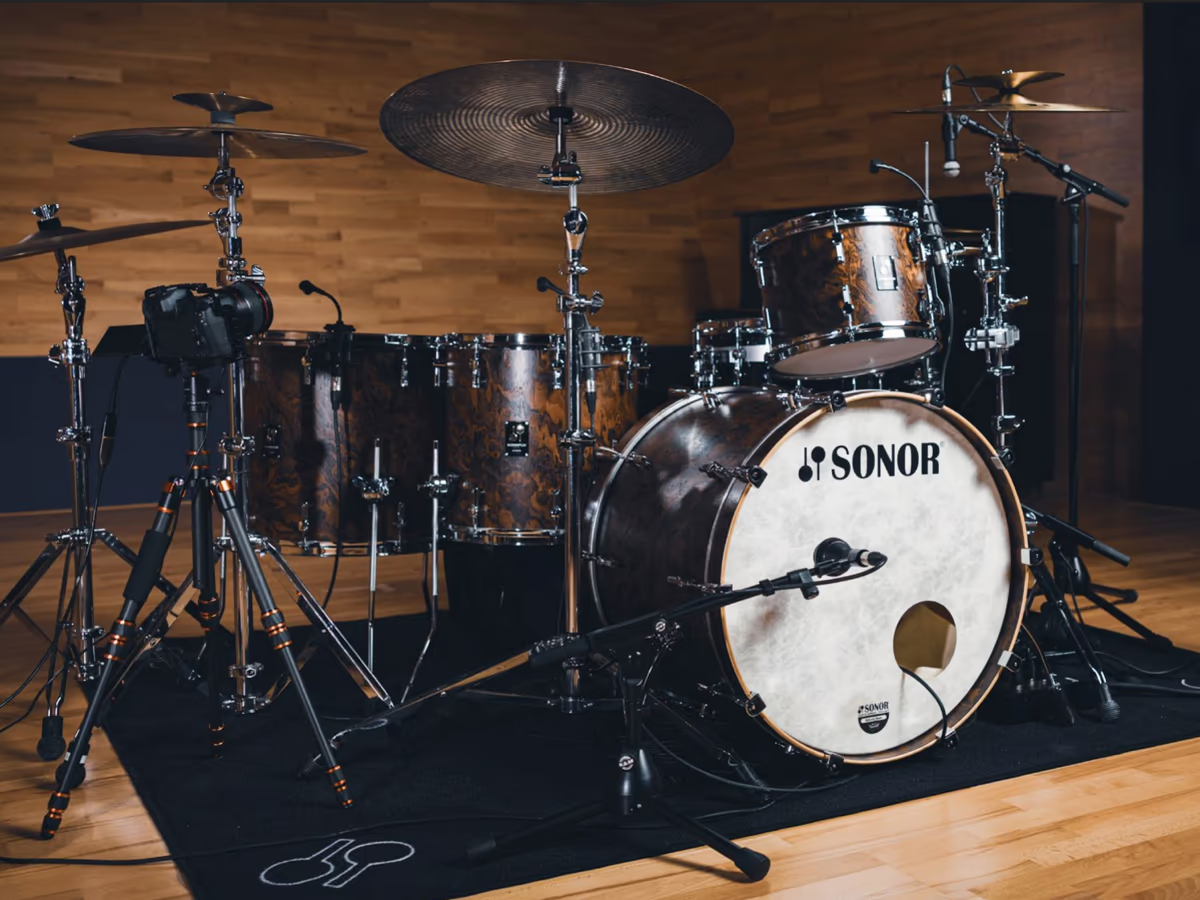
A drum kit is not just a pile of shells and hardware. In a band, it is the engine room. It controls pulse, dynamics, transitions, and the energy in the room.
If the drummer is shaky, the whole band feels shaky. If the groove is locked, everything else sounds better. That is the real role of a kit in a lineup: make the music feel alive and stable at the same time.
The Hard Truth: Shells Are Not the Whole Story
Here is my honest take: even though this might sound off at first, drums themselves are often not the biggest factor in your final sound. People love spending the whole budget on shells and then buying the cheapest possible cymbals, heads, and hardware just to complete the set. That is one of the most common mistakes I see.
A cheaper kit can sound seriously good with quality heads and solid bronze cymbals. A mid-tier kit with bad cymbals can still sound flat, harsh, and cheap.
“A cheap kit with great cymbals will out-sound an expensive kit with cheap cymbals. Every time.”
Budget Split That Actually Makes Sense
If you are not a total beginner, my practical rule is simple:
- 40% for the drum kit.
- 40% for cymbals.
- 20% for hardware and accessories.
This split is not fancy, but it works in the real world. Cymbals are where cheap choices hurt the most, so do not leave them as an afterthought.
Budget vs Quality Cymbals: Why This Split Matters
Budget Cymbals
AVOID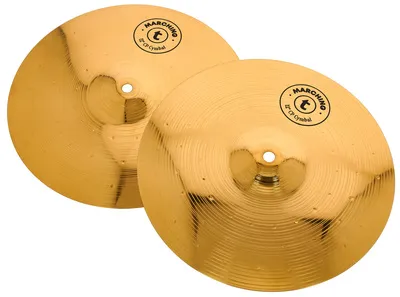
Cheap brass cymbals sound harsh, crack easily under any pressure, and will be a constant frustration.
- Thin material that cracks under normal play
- Harsh, metallic tone that cannot be fixed with tuning
- Poor resale value—hard to move even for free
- Degrades quickly; sounds worse the longer you own it
Quality Bronze (K Zildjian example)
CHOOSE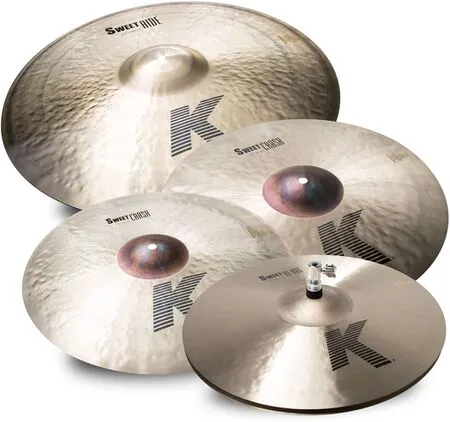
Hand-hammered bronze cymbals with character, complexity, and lasting value. This is where your money makes a difference.
- Rich, complex tone that responds to your technique
- Durable material that improves with age and play
- Holds value—you can resell or trade later
- Investment in sound that lasts through multiple kits
If You Are a Complete Beginner
If this is your first kit ever, do not overcomplicate it. Get a solid complete setup, start playing, and build experience first. Most beginners do not need to optimize every detail on day one.
Also, real talk: if you stick with drums, you will upgrade and swap parts later anyway. Your first kit is a starting point, not a final answer.
Space and Ergonomics: Setup Matters Too
A lot of players focus only on the gear itself and ignore how it is set up. A bad setup—whether cramped, lopsided, or poorly positioned—will kill your practice and hurt your progress. Here is what good looks like compared to struggling:
Cramped Bad Setup vs Organized Good Setup
Cramped & Disorganized
AVOID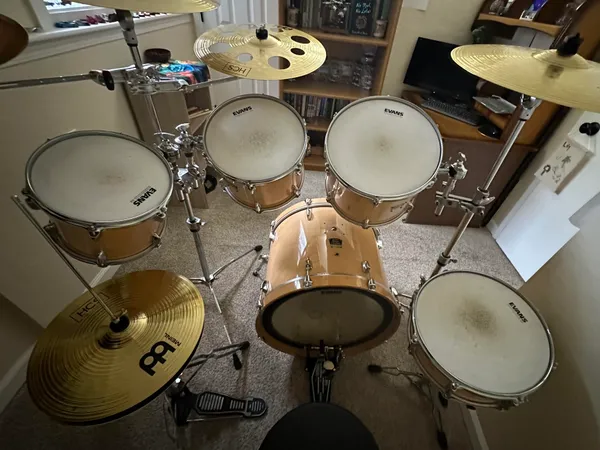
Drums crammed into tight space, awkward angles, poor accessibility, and hard to reach cymbals without adjusting position.
- Limited movement; hard to play without adjusting kit
- Poor ergonomics leads to tension and bad technique
- Equipment can shift during play; unstable
- Difficult to practice consistently; frustration sets in
Organized & Spacious
CHOOSE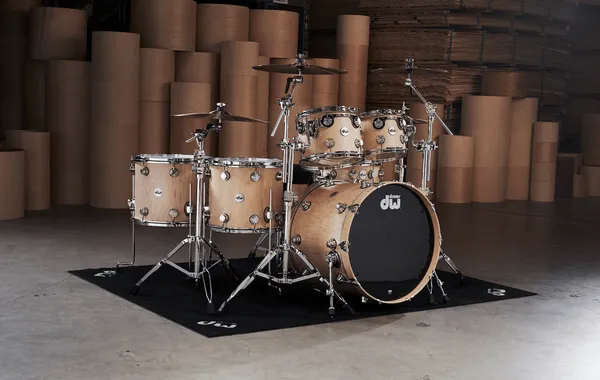
Clean layout with proper spacing, logical cymbal placement, stable positioning, and room to move freely.
- Natural hand and foot movement; ergonomic
- Equipment stays in place; builds consistency
- Easy to access all sounds without repositioning
- Encourages longer practice sessions and better habits
What About Brands?
For a true beginner, brand matters less than people think. For players with some experience, brand and series differences start to matter a lot more in feel, tuning range, build quality, and long-term value.
I am breaking that down in detail in the drum brands library, including series-by-series guides and my honest opinion on each line.
Go to the Drum Brands Library ->
Bottom Line
Do not blow your entire budget on shells and then compromise everything else. Build a balanced setup that sounds good where it matters, feels good to play, and gives you room to grow.
Next step if you want specifics: jump into the brands and series library.
Drummer Notes
Get the next teardown by email
One workflow teardown, one gear take, one field-ready template. Weekly, no fluff.
No spam. Unsubscribe anytime.
FAQ
Written by

Vojta
18 years playing · Tested 60+ kits
Drummer since age 7. Works at a drum shop. Writes about gear without the marketing fluff.
More about Vojta →Reader Reviews
What other drummers think
Loading reviews...
Keep Reading
Read next
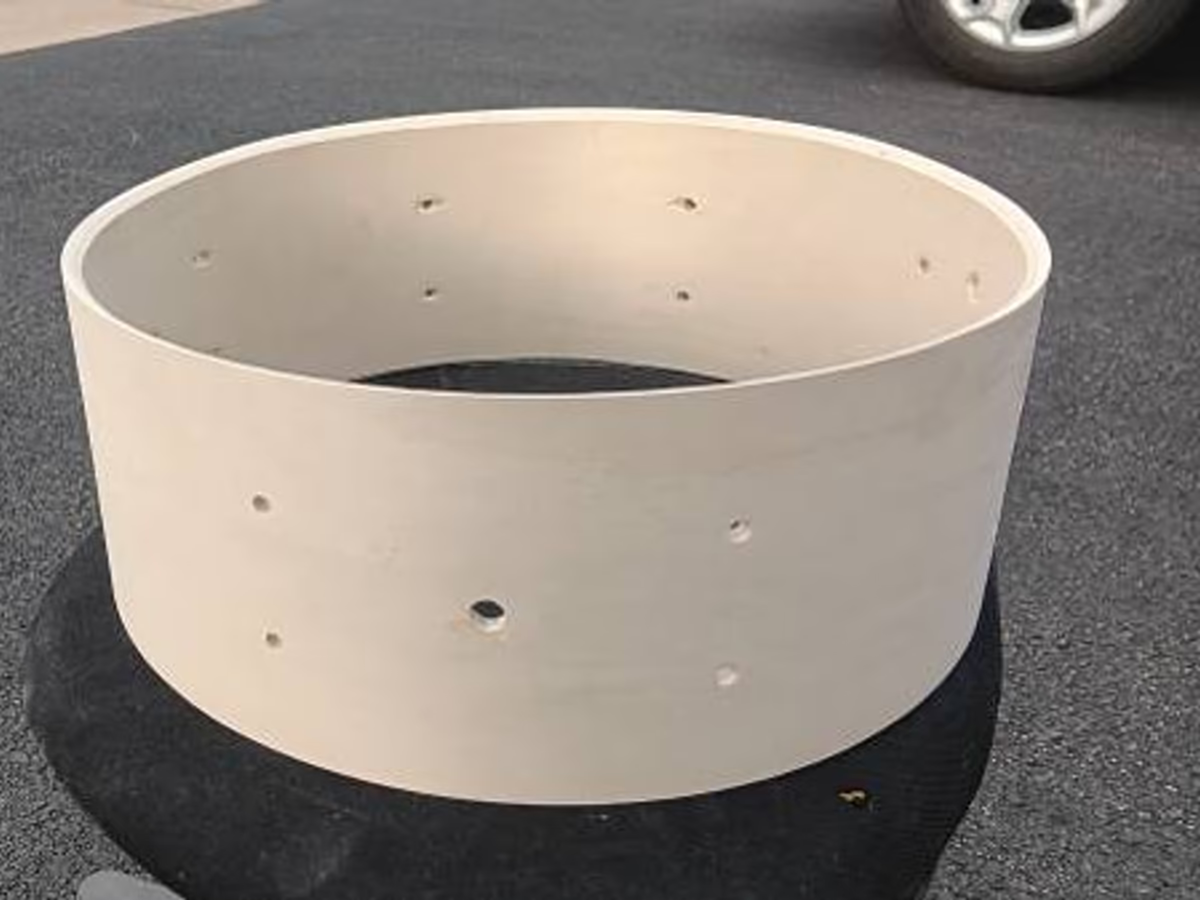
Pillar Article·10 min read
Poplar Drum Shells: Real Sound, Pros, Limits, and Buyer Context
Read article →
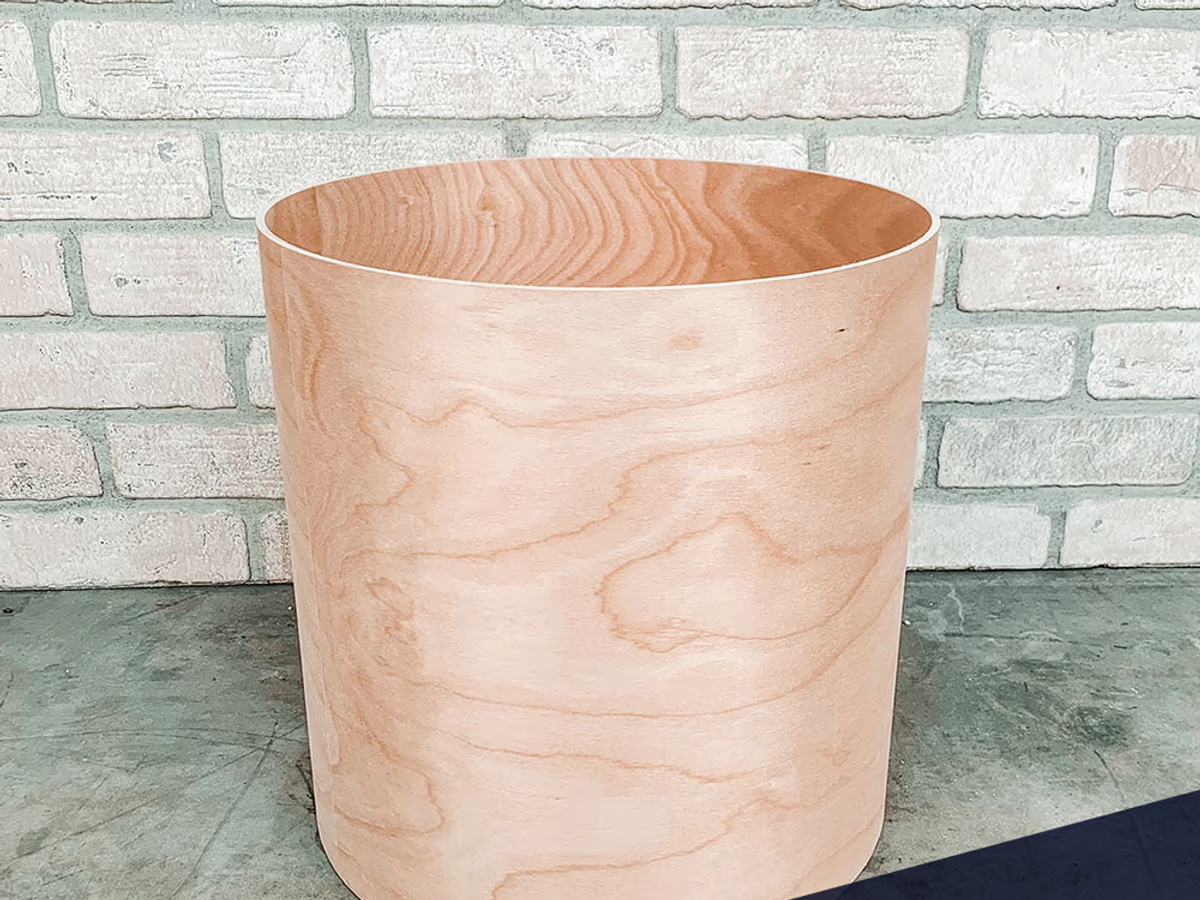
Pillar Article·11 min read
Birch Drum Shells: Fast Attack, Studio Clarity, and Modern Punch
Read article →
Pillar Article·12 min read
The Ludwig Black Beauty in 2026: Still the King, or Just Tradition?
Read article →
Pillar Article·8 min read
Best Ride Cymbals Under $300 (That Don't Sound Cheap)
Read article →