Pillar Article
Poplar Drum Shells: Real Sound, Pros, Limits, and Buyer Context
Poplar is not a premium-hype wood, but it is far from junk. Here is the real-world view from a drummer perspective: how it sounds, why it gets judged unfairly, and when it makes complete sense.
18 years playing · Tested 60+ kits
Quick Answer
- Poplar is a fast-growing, medium-hard wood commonly used in affordable and mid-tier drum kits.
- Its tone is usually smooth, rounded, and controlled, with less aggressive attack than birch.
- Poplar often has shorter sustain and works well at lower tunings.
- Its bad reputation mostly comes from cheap full-kit packages, not from the wood itself.
- Heads, bearing edges, tuning, shell design, and hardware often influence sound more than wood species alone.
- A well-built, well-tuned poplar kit can sound very good for practice, rehearsal, and early gigs.
Verdict
CONSIDER
Poplar is a practical and often underrated drum-shell wood. It is usually not the limiting factor in a beginner or mid-budget setup; build quality and setup choices are.
- Smooth, controlled response can be easier to manage for newer players.
- Delivers real value in complete kits when paired with decent heads and tuning.
- Negative reputation is often caused by low-tier package components, not shell wood quality alone.
Drum Wood Series · Hardwood · Hybrid Core
Poplar
Populus spp.
A fast-growing, medium-hard wood that quietly powers more drum kits than most players realize. Underrated when it stands alone, essential when it hides inside hybrid shells.
- Medium hardness
- Fast growth
- Smooth attack
- Controlled sustain
- Hybrid core favorite
At a Glance
Hardness
Medium
Density
Lower than maple
Growth Rate
Fast
Cost Tier
Budget · Mid
Tone Family
Round · Controlled
Common Role
Core / interior plies
Material Reference
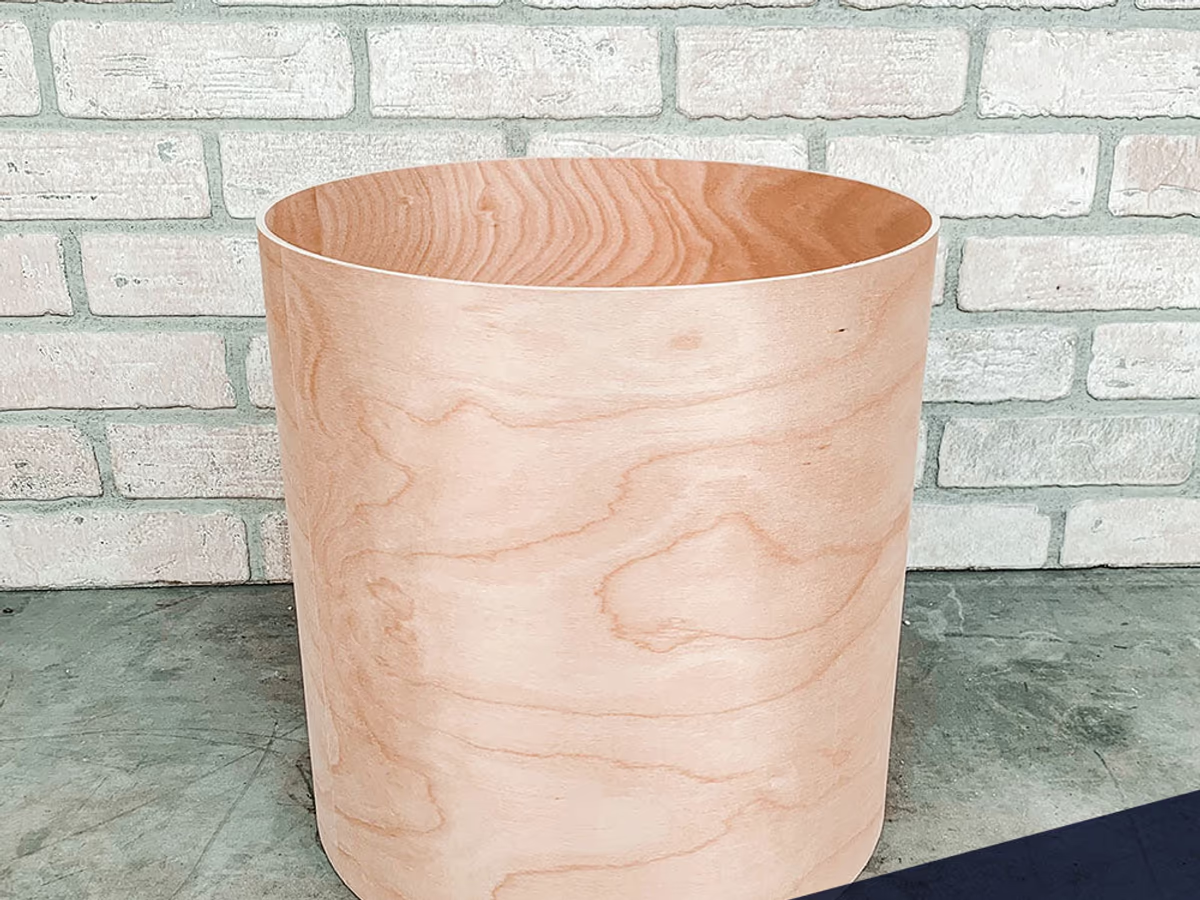
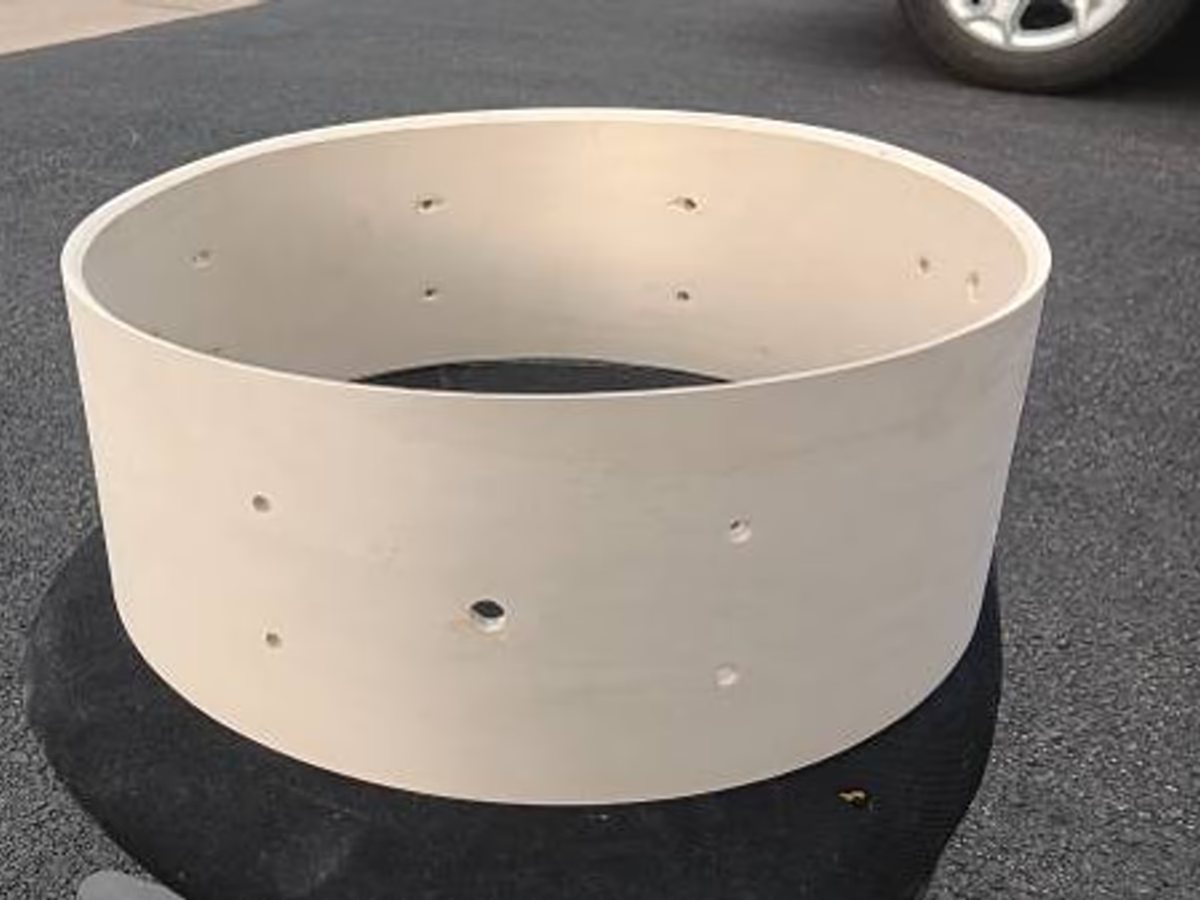
Poplar Tree vs Drum Shell Texture
Real-world visual anchor: biological source on the left, shell material context on the right.

Wood Origin
What Poplar Actually Is in Drum Building
The unglamorous workhorse behind a lot of affordable and mid-tier kits — and behind plenty of “premium” shells you would never suspect.
Poplar is a fast-growing wood with medium hardness, widely used in affordable and mid-tier drum kits. It is easier to process than some premium woods, which helps manufacturers keep full-kit pricing under control.
That budget context is exactly why poplar gets underestimated. The wood itself is not automatically weak. In many real setups, it works well when the shell construction, edges, and setup quality are done right.
Tone Profile
Sound Behavior
Attack
Softer, less aggressive than birch.
Sustain
Short to medium — easier to control live.
Warmth
Rounded body, leans away from harsh top end.
Projection
Reasonable, but premium woods can push further.
Tuning Range Comfort
Especially friendly at lower tunings.
Indicative behavior, not lab data. Heads, edges, and tuning move these values in real life.
Reputation Check
Why Poplar Gets Judged Unfairly
Most poplar shells live inside cheap, fully bundled kits. Players hear the package, not the wood.
Entry-level complete packages usually ship with basic stock heads, simpler hardware, and average factory setup. So players hear the whole package and blame the species label. In reality, your sound is strongly shaped by:
- Drumheads and their quality.
- Bearing edge precision.
- Tuning approach and consistency.
- Shell build quality and roundness.
- Hardware stability and setup ergonomics.
- Mic placement and mix decisions in recorded contexts.
“Poplar is often judged by the cheap kits it is sold in, not by what the wood can actually do.”
Code Visual
Hybrid Shell Anatomy
- L01
Outer Ply
Maple or mahogany for character and projection
- L02
Core Ply
Poplar control layer — smoother response, controlled sustain
- L03
Inner Ply
Maple or mahogany to shape feel and sustain balance
Historical recipes like maple-poplar-maple and mahogany-poplar-mahogany have been used for decades. Plenty of shells marketed by their outer plies have poplar at their core.
Compare
Poplar vs Maple vs Birch
Three different tonal lanes — not better or worse, just different.
Compare
Wood Character Side by Side
Maple
Warm, resonant, broad all-rounder response. The default reference for many drummers.
Birch
Sharper attack, focused punch, studio-friendly clarity. Easier to record in dense mixes.
Poplar
Softer attack, rounder feel, controlled and smoother tone. Friendly under the sticks.
Indicative tonal lanes. Build quality and tuning will always move the actual result.
Detail Many Players Miss
Poplar Lives Inside More Pro Shells Than You Think
The reason you might already love a poplar-cored shell without knowing it.
A lot of so-called “maple” or “mahogany” shells have used poplar as interior plies for decades. Hybrid constructions like maple-poplar-maple or mahogany-poplar-mahogany are not edge cases — they are common industry practice. So the idea that poplar is automatically “trash wood” is simply too simplistic.
Best for
- First full acoustic setups.
- Home practice and rehearsal-room kits.
- Budget-conscious players who prioritize balanced spending.
- Drummers who prefer a smoother, less aggressive shell character.
Be cautious if
- You need maximum projection in untreated large rooms.
- You record professionally and need premium dynamic ceiling.
- You are chasing a very specific birch-like attack profile.
Buyer Logic
How to Actually Judge a Poplar Kit
Look at the instrument, not the label on a marketing page.
If you are looking at a poplar kit, judge the complete instrument, not just the wood label. Check shell condition, edge quality, hardware stability, and plan for better heads if needed.
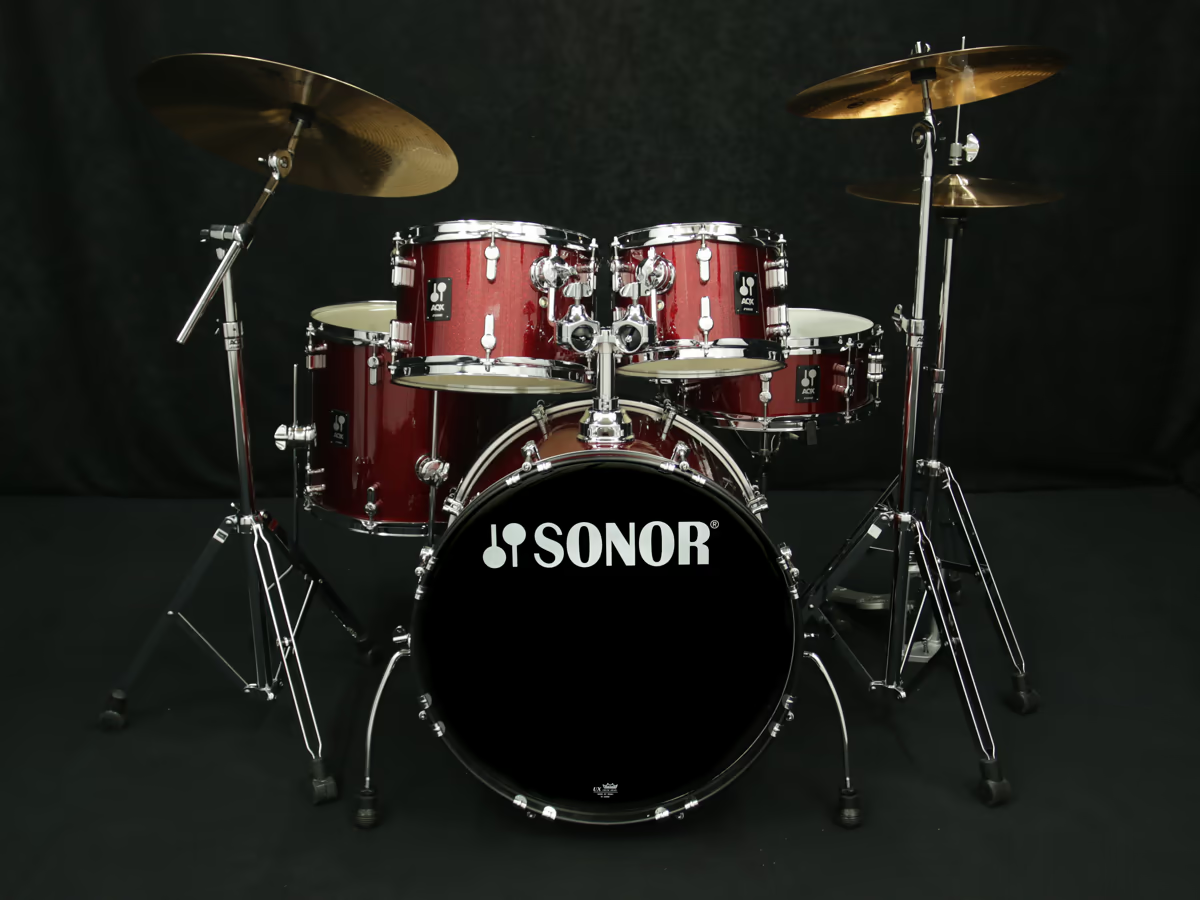
For entry-stage Sonor context, the AQX guide is a good example of how poplar can work in a complete beginner package. For broader purchasing logic, start from budget priorities for drum kits.
Bottom Line
Verdict on Poplar
A practical, musical wood that is much closer to good than its reputation suggests.
Poplar is not a premium-flex material, but it is not a deal-breaker either. In many real cases, it is a practical, musical choice whose performance depends more on full build quality and setup than internet wood mythology.
Drummer Notes
Get the next teardown by email
One workflow teardown, one gear take, one field-ready template. Weekly, no fluff.
No spam. Unsubscribe anytime.
FAQ
Written by

Vojta
18 years playing · Tested 60+ kits
Drummer since age 7. Works at a drum shop. Writes about gear without the marketing fluff.
More about Vojta →Reader Reviews
What other drummers think
Loading reviews...
Other woods