
Pillar Article
Birch Drum Shells: Fast Attack, Studio Clarity, and Modern Punch
Birch remains a serious choice for drummers who want speed, definition, and controlled punch. It is still one of the easiest shell voices to place in modern mixes.
18 years playing · Tested 60+ kits
Quick Answer
- Birch typically gives stronger attack, quicker response, and shorter sustain than many maple setups.
- The sound is usually tight, focused, and very readable in both studio and live mixes.
- Birch became iconic in 80s and 90s studio production, especially through Yamaha Recording Custom.
- Many drummers describe birch as immediate and aggressive in a controlled way.
- Mics tend to capture birch cleanly because the note shape is defined rather than smeared.
- Shell wood differences are real, but heads, bearing edges, construction, tuning, and player touch still matter more.
Verdict
BUY
If you want shells that react fast, stay readable, and punch cleanly in modern mixes, birch is still one of the safest high-utility choices.
- Fast transient response with tight note definition.
- Strong studio and live mix translation.
- Punchy low-end that keeps articulation.
- Long-proven relevance from 80s sessions to current productions.
Drum Wood Series · Hardwood · Studio Classic
Birch
Betula spp.
One of the most recorded drum woods in modern history. Birch is about speed, attack, and controlled punch that engineers trust.
- Fast attack
- Quick response
- Firm low-end
- Controlled sustain
- Mix-ready clarity
At a Glance
Hardness
Medium-high
Density
Medium-high
Attack
Pronounced
Sustain
Short-medium
Tone Family
Tight · Modern · Controlled
Common Use
Studio · Rock · Metal · Pop · Fusion
Sound
How Birch Actually Feels and Sounds
Birch reacts quickly, pushes transients forward, and keeps notes separated.
The common birch profile is simple to recognize: stronger attack, quick response, firm low-end, shorter sustain, and clear high-end presence. Many drummers describe it as concrete, tight, and modern.
On bigger toms and kick drums, birch can feel very punchy and deep without losing definition. That balance is exactly why it works so well in technical playing and high-gain mixes.
Tone Profile
Sound Behavior
Attack
Fast and very readable transients.
Sustain
Controlled, with less lingering smear.
Low-End Punch
Firm body that stays defined.
High-End Definition
Clear top-end articulation.
Studio Readability
Easy to place in mixes quickly.
Indicative profile only. Heads, shell design, edges, tuning, and player touch still drive final outcome.
History
Why Birch Became a Studio Standard
80s and 90s production made birch a benchmark for controlled pro drum tone.
Birch helped define an era where engineers wanted clear attack and fast mix placement. One of the biggest symbols of that shift was Yamaha Recording Custom, used heavily by studio and session drummers.
The practical benefits were straightforward: toms stayed concrete, attack stayed readable, and mixes needed less corrective work.
Character
Why Drummers Keep Coming Back to Birch
Immediate response and controlled aggression still solve real musical problems.
Birch often feels quicker and more direct than softer, bloom-heavy voices. If your playing depends on definition, fast doubles, or precise note separation, birch usually gives you that feedback without fighting your hands.
Compare
Wood Character Side by Side
Maple
Rounder, warmer, and longer bloom with broader all-round feel.
Birch
Sharper attack, tighter note shape, and strong studio readability.
Poplar
Softer attack and calmer response, often friendlier for entry setups.
General tonal tendencies. Build quality and setup choices can shift results significantly.
Known Series
Well-Known Birch Drum Lines
Birch has been used by many major brands across multiple eras.
- Yamaha Recording Custom
- Tama Starclassic Birch generations
- Mapex Meridian Birch
- Pearl Masters Birch eras
- Sonor Force birch lines and modern birch entries like Sonor AQ1
Wood Look
How Birch Wood Looks in Real Life
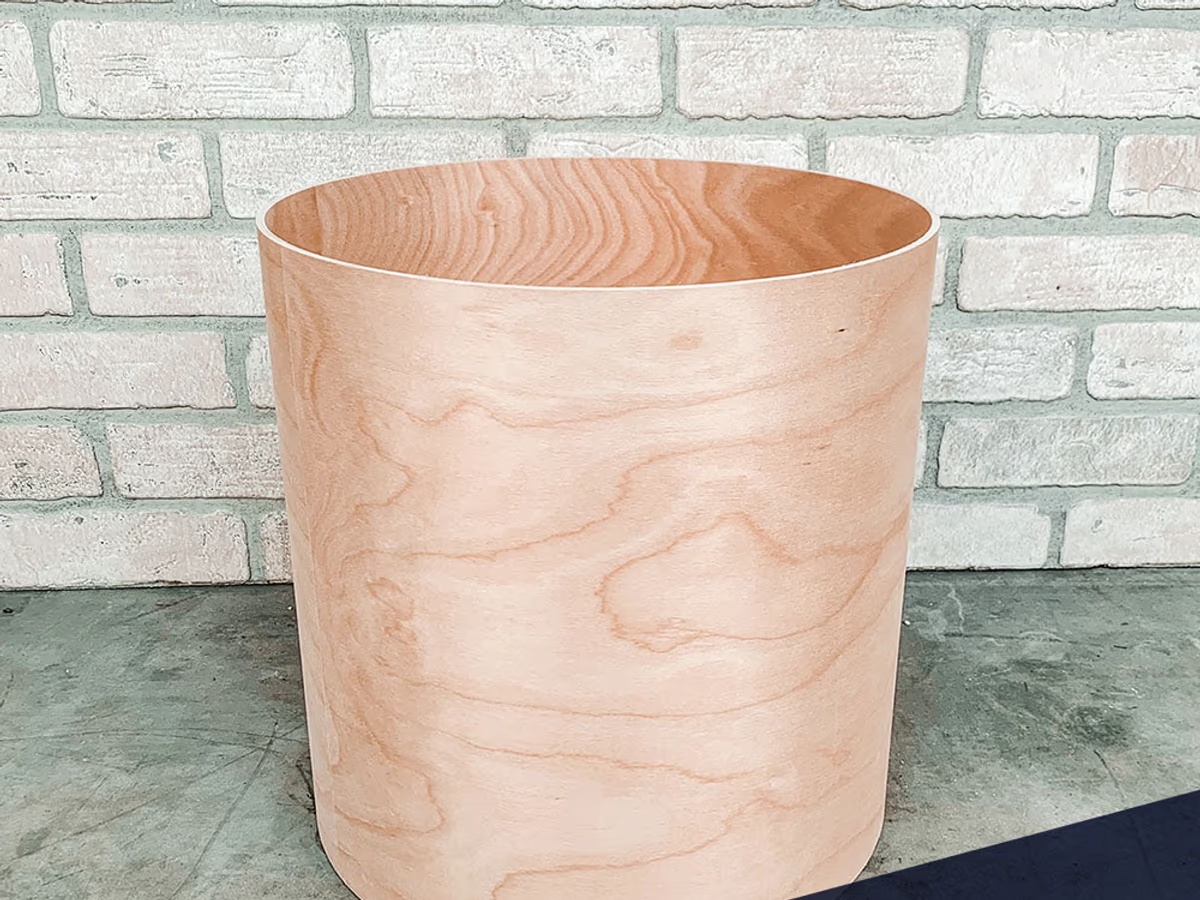
Light color, fine grain, and dense structure are typical birch traits.
Birch is usually light in color with fine grain lines and a denser, harder feel than many lower-tier tonewoods. In tree form, the white bark and darker cracks are visually characteristic.
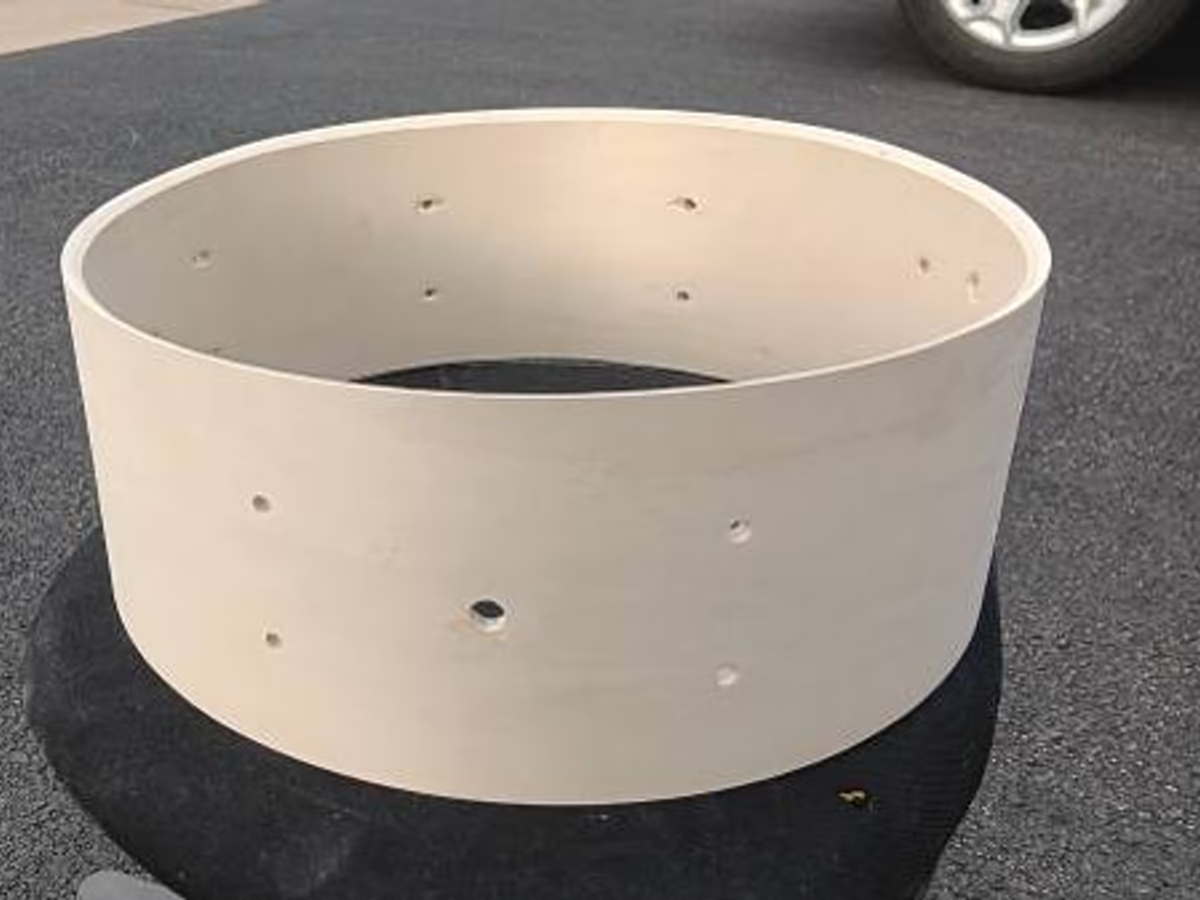
For a shell-focused construction reference, see the Nordic Shells True Series Birch 6-ply page.
Visual reference
Birch Tree and Bark Structure
Tree-level context and close-up structure cues that make birch visually recognizable.


Best for
- Studio sessions where mix clarity matters.
- Rock, metal, pop, and fusion contexts needing defined attack.
- Drummers who want punch with controlled sustain.
- Technical playing with fast note separation.
Be cautious if
- Players chasing maximum warm bloom over attack definition.
- Very open vintage tones with long natural decay.
- Buyers expecting shell wood alone to fix setup mistakes.
Reality Check
What Matters Beyond Wood Species
Birch differences are real, but setup fundamentals still decide your final sound.
Shell wood is only one part of the instrument. Heads, bearing edges, shell construction, tuning, hardware stability, and your hands often change the result more than species labels alone.
Still, a well-built birch kit can absolutely deliver speed, concreteness, punch, and that modern studio character that keeps this wood relevant today.
For contrast, read the Poplar guide. For a modern birch kit example, check Sonor AQ1.
Drummer Notes
Get the next teardown by email
One workflow teardown, one gear take, one field-ready template. Weekly, no fluff.
No spam. Unsubscribe anytime.
FAQ
Written by

Vojta
18 years playing · Tested 60+ kits
Drummer since age 7. Works at a drum shop. Writes about gear without the marketing fluff.
More about Vojta →Reader Reviews
What other drummers think
Loading reviews...
Other woods
Read next · Other wood guides
Birch kits
Read next · Kits made with birch
Brand and Series·9 min read
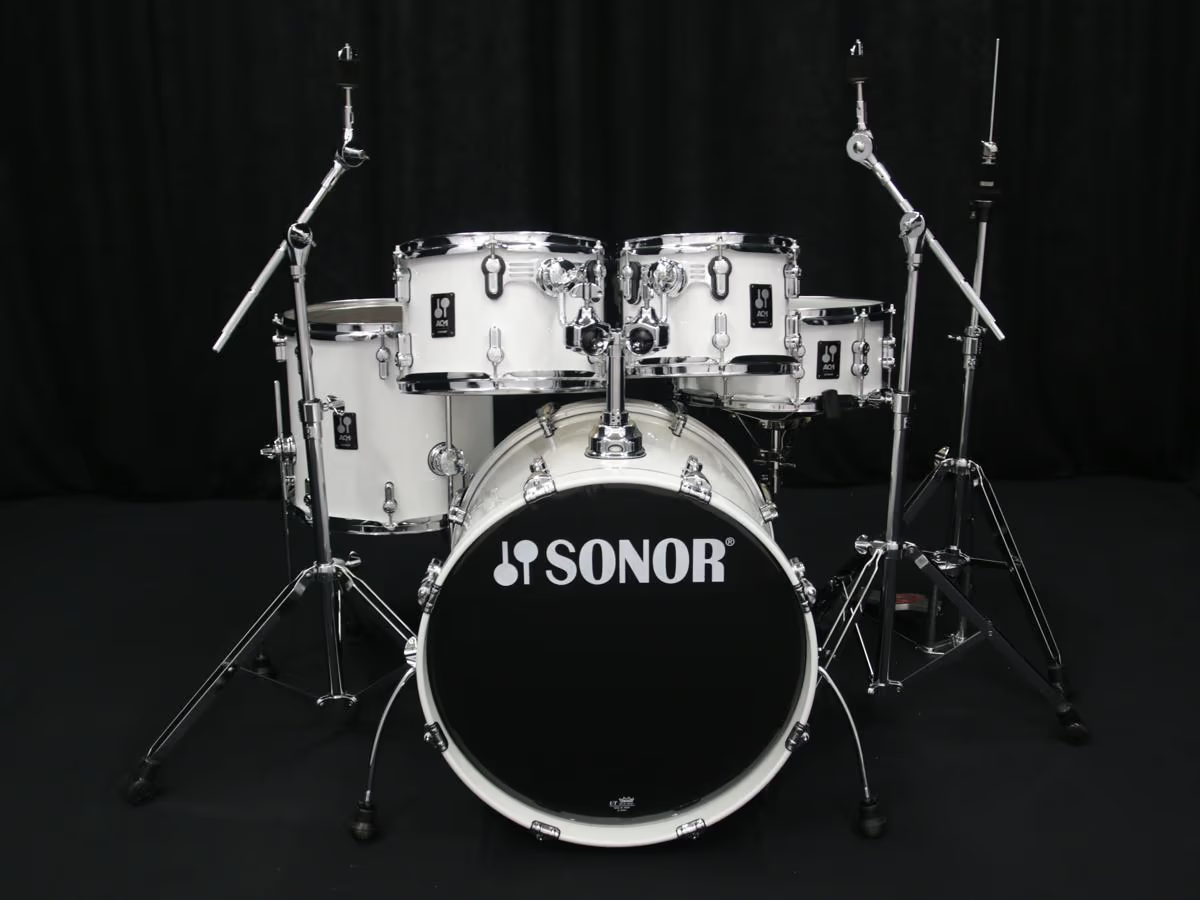
Sonor AQ1: The First Serious Sonor Kit
Read article →
Brand and Series·9 min read
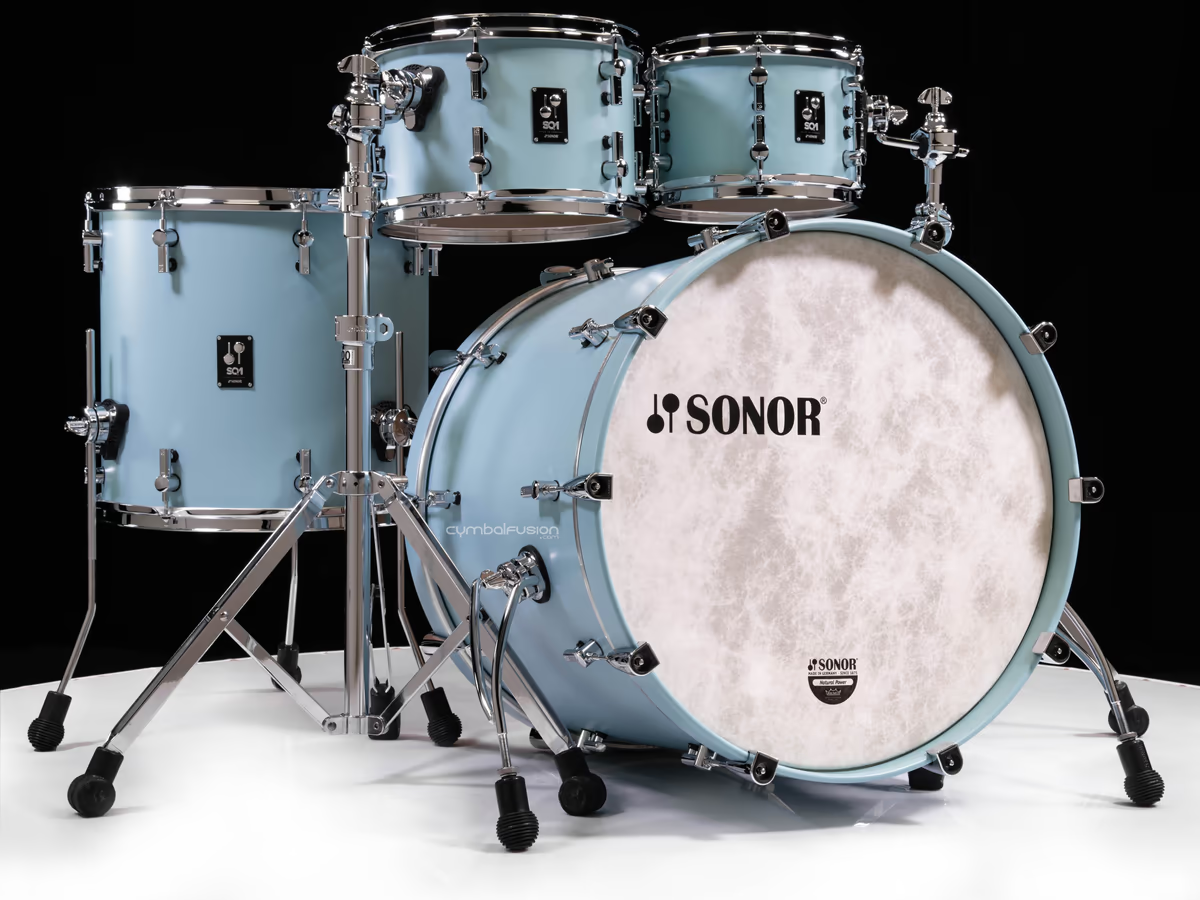
Sonor SQ1: The Discontinued Birch Kit That Still Makes Sense Used
Read article →
Brand and Series·9 min read
Tama Starclassic Performer: First Real Pro Tama
Read article →
Brand and Series·8 min read
Tama Starclassic Walnut/Birch: The Premium Character Pick
Read article →
Brand and Series·9 min read
Sonor AQ1: The First Serious Sonor Kit
Read article →
Brand and Series·9 min read
Sonor SQ1: The Discontinued Birch Kit That Still Makes Sense Used
Read article →
Brand and Series·9 min read
Tama Starclassic Performer: First Real Pro Tama
Read article →
Brand and Series·8 min read
Tama Starclassic Walnut/Birch: The Premium Character Pick
Read article →